
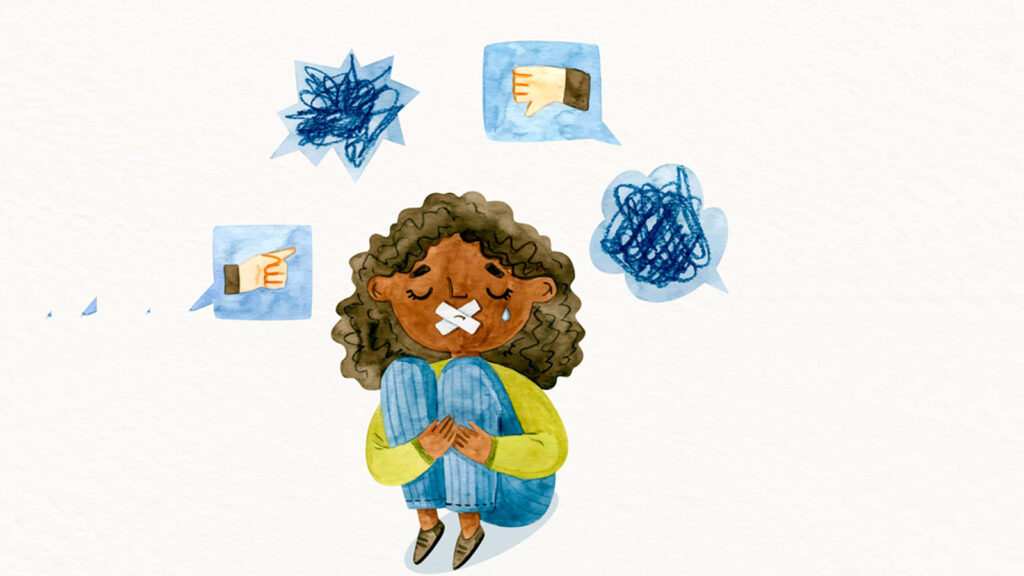
BULLYING AND IMPACT ON TEENS AND KIDS MENTAL HEALTH
When people hear the word “bully,” they may think of a child being pushed around by another kid. Or they may think of someone being insulted by a peer, whether face-to-face or online.
Regardless of its shape and form, these experiences can be incredibly serious and often have lifelong effects. And while everyone cannot be forced to get along, there are steps we can all take to reduce bullying and make everyone feel more welcome.
Bullying explained
First, it’s important to recognize the difference between bullying and fighting, as they can sometimes look very similar. Fighting occurs between two people that have equal power, whether it’s strength, size, or intellect.
Bullying happens between someone who has more power and is more aggressive than their targeted person. A bully uses that power—whether it’s physical strength, being more popular, or knowing embarrassing information—to hurt or control the person they’re bullying.
The person who is being bullied may find it hard to defend themselves and may feel increasingly powerless against the person bullying them.
It can be difficult for parents or people in authoritative roles (teachers, coaches, bosses) to identify if someone is being bullied—or bullying someone else—because it often occurs out of their sight. That’s why it’s helpful for peers to know when and how to help if they see that someone’s being bullied.
Data shows that bullying comes in many forms, can happen anytime, and can take place online. Some of the most common forms of bullying include:
Physical bullying:
- Hitting or striking someone
- Kicking someone
- Shoving someone
- Intentionally tripping someone, causing them to fall (especially if they are carrying several items)
- Spitting on someone
Verbal bullying:
- Teasing
- Threats of physical harm
- Name-calling, which can include racist, homophobic, or other offensive language
- Yelling
- Harassment
Although verbal bullying does not leave bruises, scrapes, or marks, it can still have a significant impact on someone’s mental health.
Bullying can also be based on impacting relationships with the recipient:
- Starting rumors about someone
- Intentionally excluding someone from an activity
- Giving the silent treatment
- Gossiping
Relationship bullying may be especially harmful to children, as it can impair their social development, but all types of bullying can have adverse effects on mental health.
Cyberbullying: The Darker Side of Technology
Cyberbullying refers to any bullying that takes place in the digital world. Students as young as elementary school ages understand how to use cell phones, tablets, and computers.
Although the internet can benefit a child’s academic growth and development, it also makes them more vulnerable to cyberbullying.
Cyberbullying is a significant concern. It can have a major impact on a young person’s mental health. Adolescents who are the victims of cyberbullying are more likely to experience depression, anxiety, and academic difficulties.
A survey published by Google indicated that teachers believe cyberbullying is their top safety concern in the classroom.
Mocking someone online, posting embarrassing photos, and harassing someone on social media can be forms of cyberbullying. Setting up fake social media accounts to spy on someone and/or to make fun of them is another form of this type of bullying.
Unfortunately, because children can talk to each other whenever they want online, it can be nearly impossible for a child to escape their bully.
There are a number of common types of cyberbullying.
Comments and Rumors
One of the most common forms of cyberbullying is spreading mean comments and rumors across social media sites. Popular social media platforms include Facebook, Instagram, TikTok, Twitter, and Snapchat.
2018 research from the Pew Research Center shows that 32% of teens have experienced spreading of false rumors online.
Embarrassing Pictures
Another type of cyberbullying is spreading embarrassing pictures of someone. This can include “revenge porn,” which refers to posting nude pictures of someone on social media platforms without their permission.
Impersonation
A bully may try to steal someone’s password to social media accounts. Then, they may post negative things on that person’s account, posing as the individual. They may also create a fake account using someone’s photos and content and harass others or pretend to be the person.
Digital Threats
A bully may use the internet to share digital threats about someone. For example, they may post a video targeting someone with malicious intent.
The Mental Health Impact of Bullying
Students who are bullied by other students at school are more likely to develop depression. The most common signs of depression include sleep problems, appetite changes, emotional disturbances, and even thoughts of suicide. Children who experience depression may lose enjoyment in activities that once brought them happiness.
Bullying can make students more likely to develop anxiety. Anxiety may develop because students fear bullying at every turn. Anxiety makes it harder for people to form relationships with friends, peers, and teachers.
Bullying can make it harder for kids to succeed in the classroom. This can make it hard for them to keep up with their academic studies. If students are bullied regularly, they may not want to go to school or participate in school-related activities, like sports or field trips.
Children who are bullied may see themselves as being less worthy than others. They may feel like other people are better than they are. They may believe they do not deserve to enjoy the same happiness and success as other children.
This can be devastating to academic and social development, and can have varying results.
Loss of Self-Confidence
One of the first effects children and teens feel if they are bullied is a loss of confidence. For example, kids often feel like they are not as good at a particular sport as the person bullying them. They may feel like they do not even deserve to try out for a certain activity. This loss of self-confidence can affect other areas of life.
Increased Self-Criticism
Kids who are bullied are often harsh on themselves. They may have heard negative statements from the bully so often that they start to believe the statements are true. They may start to feel bad about something that cannot possibly change, such as their hair color, skin color, or height.
They may also feel shame or embarrassment about events or behaviors that a bully further shames them about.
Increased Self-Isolation
Kids who are bullied often feel so bad about themselves that they try to isolate themselves from their peers, family members, and friends. They may spend a lot of time closed off in their rooms when they are not at school. They may not want to go to school at all.
It is worth noting that bullying can impact not only the victim but also the perpetrator.
Children who bully others are at a greater risk of getting into physical fights, verbal altercations, and are less likely to take responsibility for their actions. Research also shows that children who bully others are at risk of developing antisocial behaviors. These include significant academic problems, substance use disorders, and aggressive behaviors.
How Do You Know if a Young Person Is Being Bullied?
It’s important for parents, educators, and other adults in supportive roles to know how to spot signs of cyberbullying and mental health issues in children and adolescents. Signs a youth may be developing serious mental health issues include:
- Random fits of anger and crying spells for no apparent reason
- Complaints about feelings of hopelessness or emptiness
- Disproportionate reactions of anger and frustration when compared to the situation
- A loss of interest in activities that used to bring joy and pleasure
- Feelings of low self-esteem, guilt, and worthlessness
- Difficulty focusing and concentrating
- Sudden/abrupt avoidance of school and/or an activity they used to attend
Anyone experiencing depression or anxiety should seek help from a trained mental health professional as quickly as possible.
What To Do if You Witness Bullying
Adults and young people who are not the target of a bullying episode may see bullying taking place.
If you notice that someone is being bullied, there are several steps you can take to help. These include:
- Keep your own emotions in check and don’t overreact to the situation
- No matter what you do, do not blame the person who is being bullied
- Make sure everyone involved understands that bullying is wrong
- Explain the facts of the situation to people in charge, such as teachers or coaches
Young people who experience or witness bullying should be encouraged to report incidents to their teachers or other authority figures. Children should not be encouraged to react with violence towards bullies.
How To Help Everyone Feel More Included
To lessen the impact of bullying, it’s important to help young people feel like they are welcome just as they are.
Here are a few ways to help others feel included:
- Focus on activities that encourage everyone to get involved
- Encourage kids to give genuine compliments to each other
- Discourage comparing oneself to other people
- Help kids to focus on their strengths
- Reward those who go out of their way to help other people
These simple steps can go a long way toward helping young people feel more included and reduce bullying.
Do You Think Someone Needs Help? Here’s What To Do
If you’re worried that you, someone you care for, or someone you know is being bullied, it’s important to contact a licensed health care provider. If the effects of bullying go unnoticed or untreated for too long, they can have a much more severe negative impact than if they had been addressed early on.
A primary care provider, such as a family doctor or pediatrician, is a great starting point for guidance, as you can ask questions about behaviors, and they can direct you toward resources to help. If a specialized provider is needed, like a counselor or other licensed mental health professional, your doctor can make referrals.
If you’re concerned about bullying that is occurring at school or during extracurricular activities, you should talk to teachers, school counselors, or coaches, who can share anything they may have noticed about a young person’s behaviors or interactions with others.
We are Available for Those Who Experience Bullying
If you would like to learn more about bullying or need help managing the mental health effects of bullying; we at OpenMinded Services can can help. Reach out to us today and we will be happy to help.
Experience mental health care as extraordinary as you are.
Site Map
Contact
- +1 (780)-953-0173
- +1 (780)-884-1985
- [email protected]
- [email protected]
At Open-Minded Service Centre Inc., we acknowledge that we are on Treaty 6 Territory, Métis Homelands, and Alberta Region 4. This land is the traditional home of many First Nations, including Nehiyawak/Cree, Tsuut’ina, Niitsitapi/Blackfoot, Otipemisiwak/Métis, Nakota Sioux, Déné, Anishinaabe/Ojibway, Inuit, and others. We honor their stewardship of this land and commit to continuing this legacy through our work.